
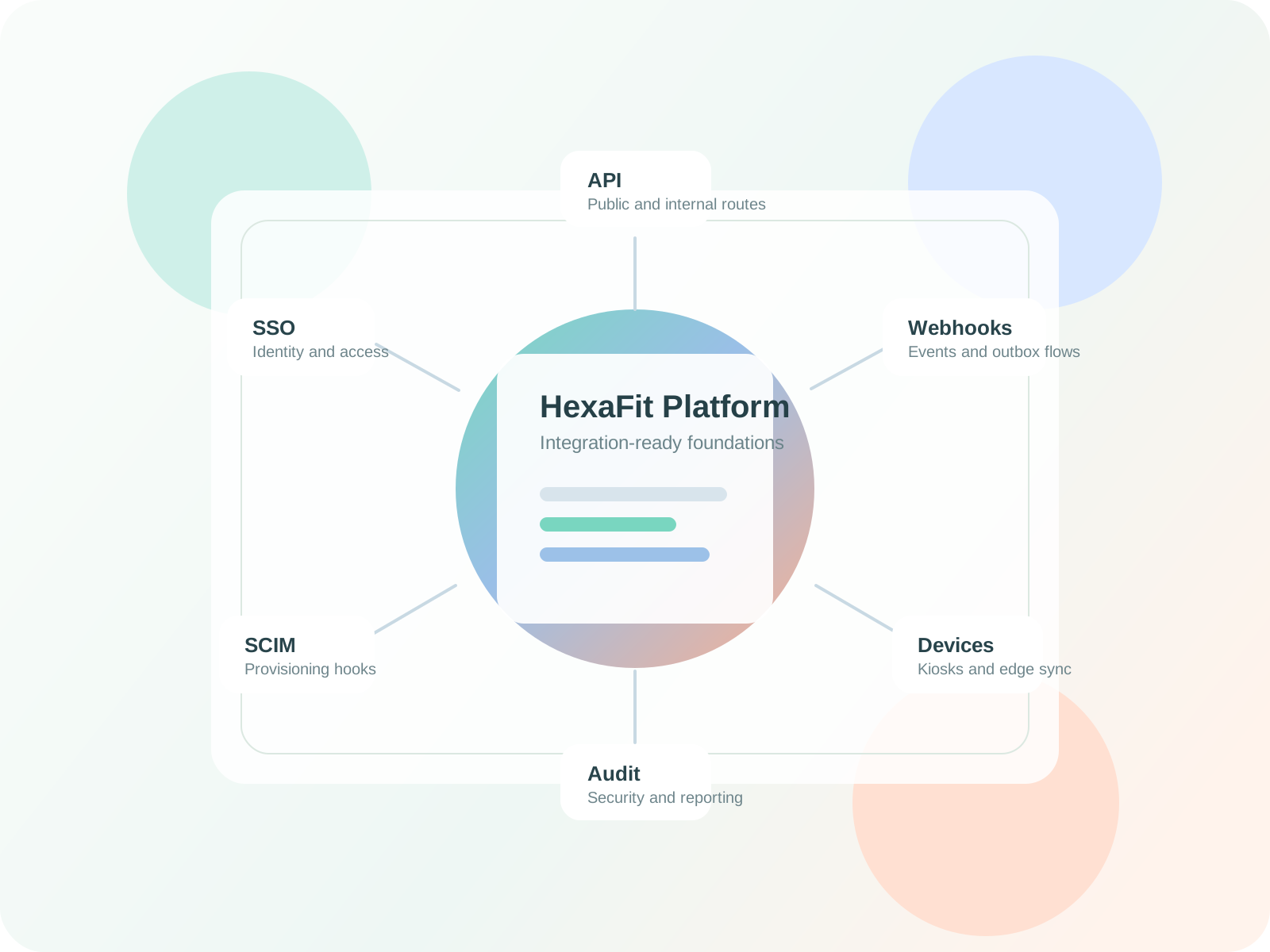
Architecture
Give technical buyers an architecture packet to review.
The review packet covers platform layers, integration boundaries, security areas, and data handling questions.
HexaFit keeps customer, security, uptime, and company claims tied to evidence buyers can verify.
Verification kit
Buyers can see available materials, withheld claims, and approval paths.
Architecture
The review packet covers platform layers, integration boundaries, security areas, and data handling questions.
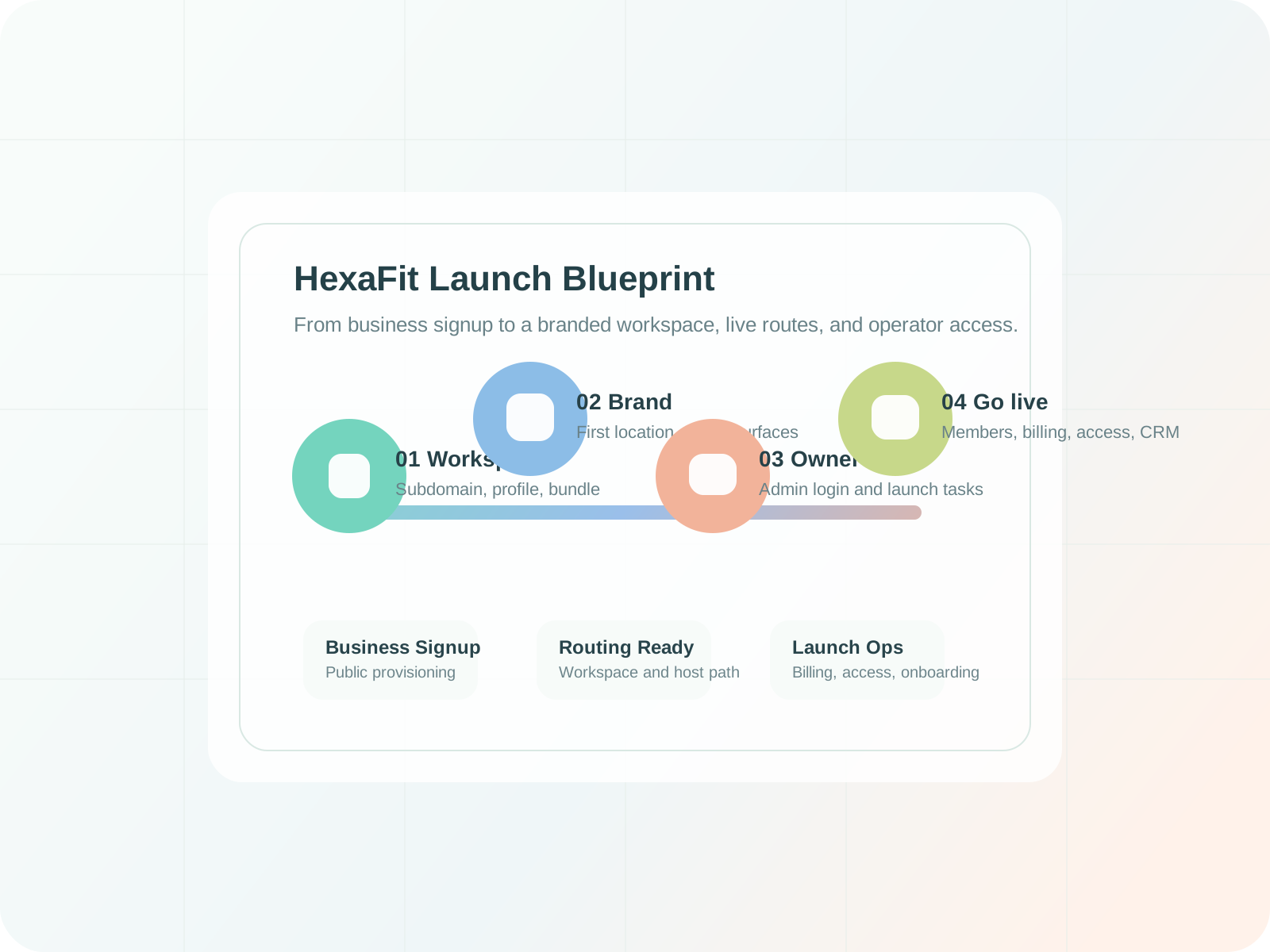
Launch
Migration, access, staff enablement, support path, and status reporting have visible review owners.

Evidence
Operator results move through measurement, consent, review, and publication instead of appearing as unsupported claims.
A downloadable packet for platform layers, integration boundaries, security review areas, and data handling questions.
Open reviewAccess, audit, payment workflow, migration, integration, support, and status topics that procurement can validate.
Open reviewThe process for logos, quotes, ROI, rollout notes, and case studies to become public only after consent.
Open reviewEvidence discipline
Each item explains what HexaFit will not overstate.
Logos, quotes, case studies, deployment counts, and ROI outcomes publish only after customer approval.
SOC 2, ISO, HIPAA, PCI, GDPR, and similar claims publish only when the supporting evidence exists.
Uptime history, status reports, incident history, and SLA targets should be shown after live reporting exists.
Processing, hardware, device setup, legal review, migration, and custom integrations are scoped separately.
Architecture, security, and integration packets are positioned as review materials until formal documents are approved.
Legal entity, registration, leadership, and founding details should be added after business approval.