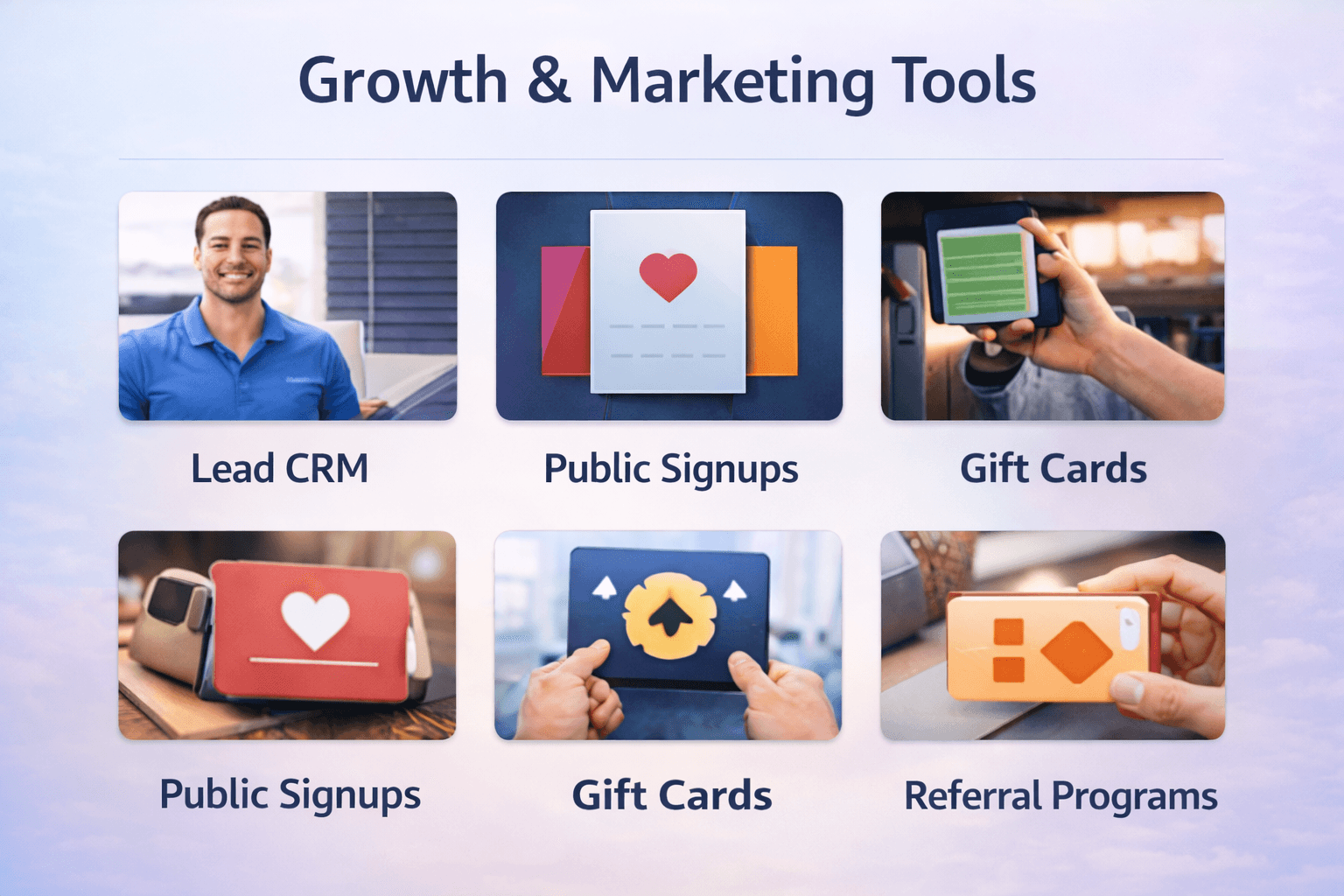
Attract leads
Capture web, referral, ad, and campaign interest.
Website + CRMGive central teams portfolio control without slowing local teams down.
Built for franchises, multi-club groups, wellness brands, recovery networks, and clinic groups.
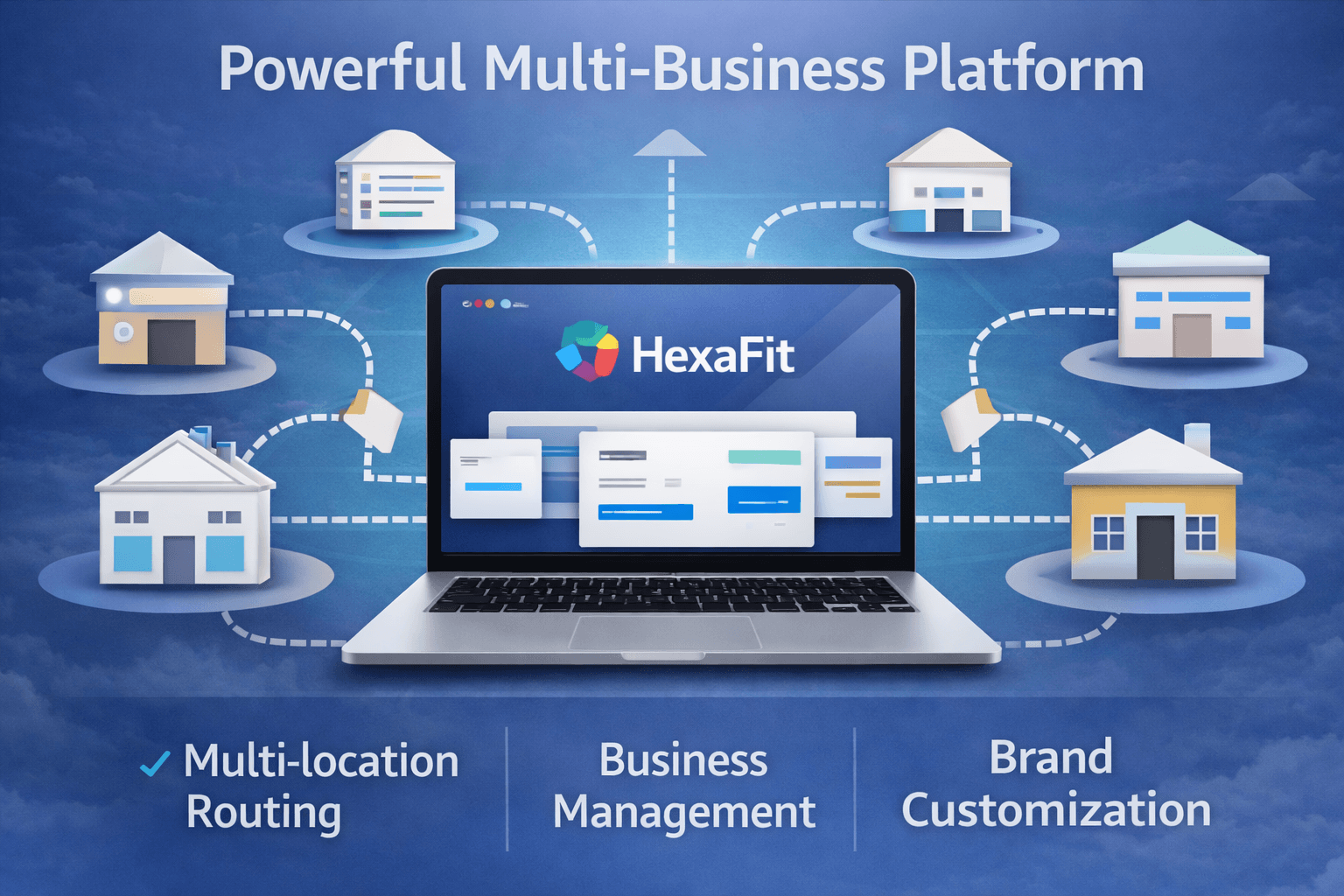
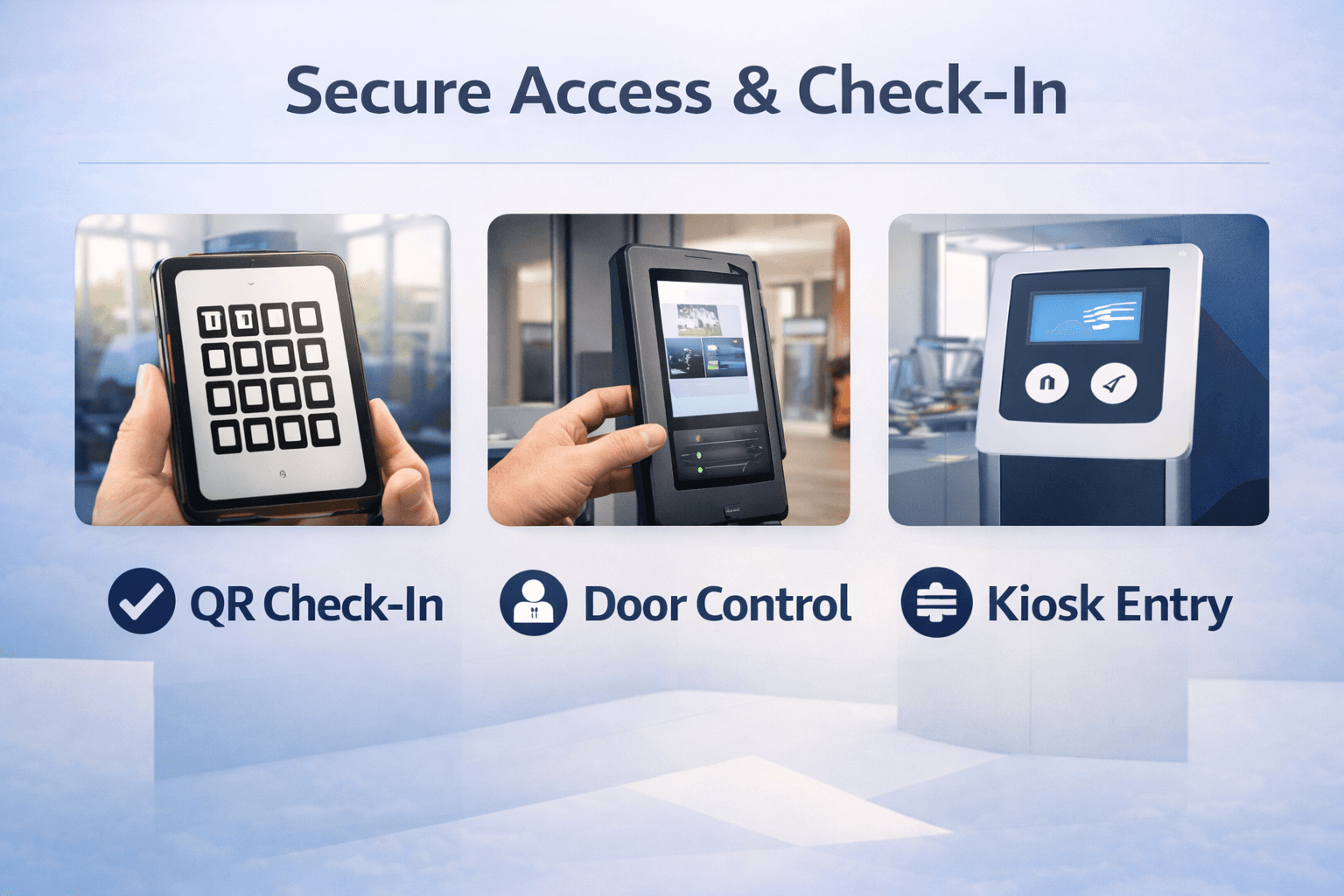
Owners see the business in plain language: leads, visits, payments, access, and reports connected by location.
Buyer review
Buyers can review security, privacy, SMS terms, DPA readiness, integrations, status, and plan fit without waiting for a proposal.
Security review
Enterprise controls
Central visibility, workflow standards, feature control, integration planning, and accountable operations.
Monitor location health, revenue, retention, access, incidents, feature adoption, and rollout status from a central operating view.
Use roles, permissions, feature flags, brand controls, and standard workflows while preserving local speed where it matters.
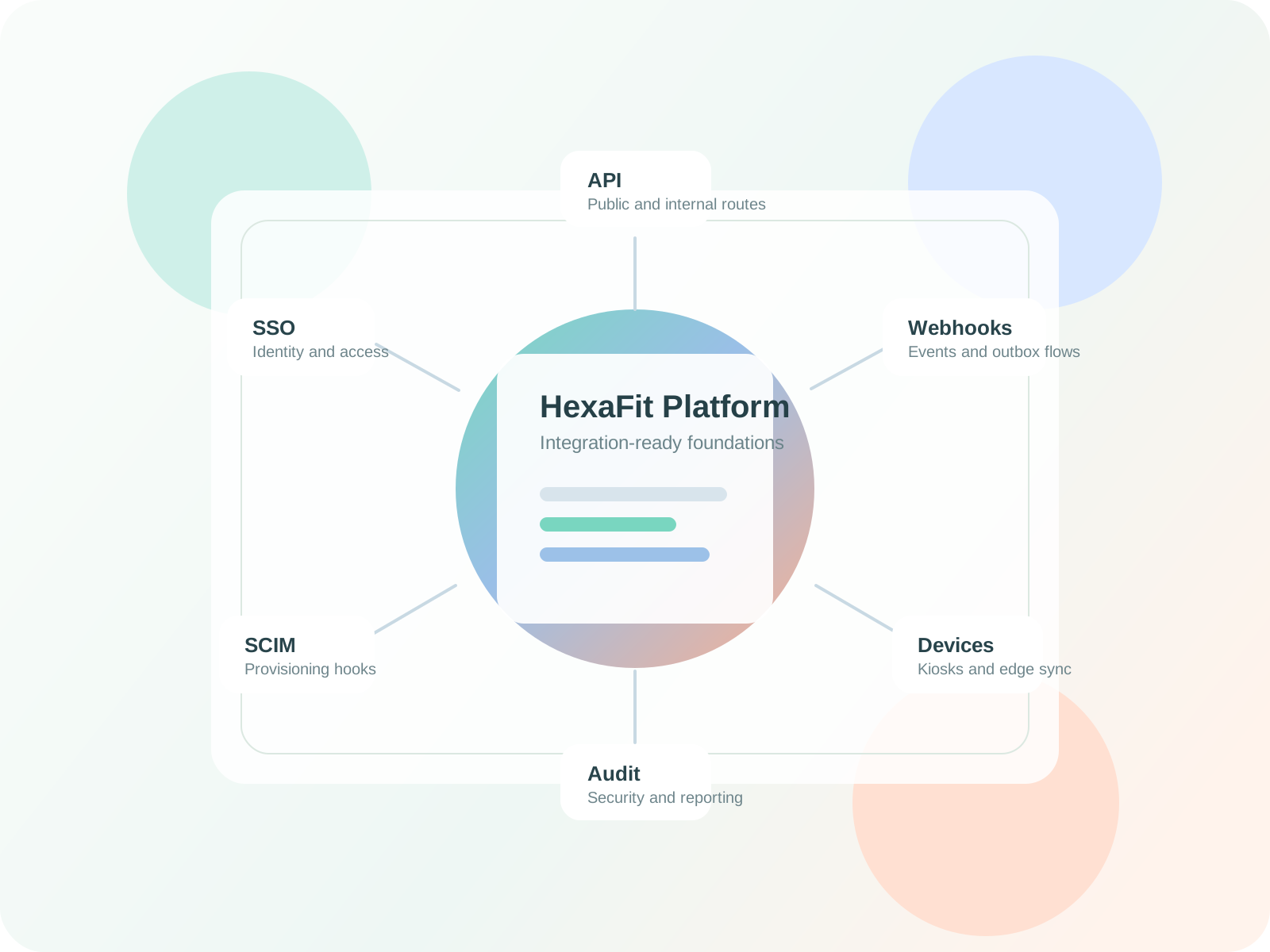
Plan phased migration, enterprise integrations, SCIM-style identity hooks, reporting exports, and device or access-control connectivity.
Communicate audit logs, admin permissions, privacy-aware workflows, compliance reporting, and operational accountability.
Portfolio visibility
See where growth, billing, retention, access, and rollout need attention.
Compare revenue, lead conversion, utilization, and failed billing by location.
Standardize offers, campaigns, permissions, and brand controls.
Coordinate access, devices, imports, and occupancy rules.
Plan migration waves, training, support, and integrations.
Integration map
Review payments, accounting, CRM, identity, reporting, webhooks, and access workflows before rollout.
Why HexaFit
HexaFit is strongest when bookings, payments, CRM, access, retention, AI, and multi-location control need to work together.

Sales, memberships, bookings, billing, access, retention, and reporting stay connected.
Recurring plans, payment recovery, packages, referrals, and retention work together.
Security, pricing, migration, integrations, and evidence paths are easy to review.
Automation helps surface leads, follow-ups, retention risk, campaign ideas, and operator next steps.
Rollout plan
Show discovery, configuration, migration, and expansion before the project starts.
Current stack review, business-model fit mapping, rollout sequencing, and launch planning.
Platform setup, operational structure, staff guidance, and customer-facing workflow alignment.
Data movement, phased rollout options, enterprise integration planning, and post-launch growth mapping.
Map the public website, memberships, appointments, billing, access, CRM, and reporting flows that the business currently uses.
Sequence data migration, staff enablement, customer communication, and location rollout so the launch feels controlled.
Move from the first launch into multi-location growth, franchise consistency, enterprise integrations, and platform-level control.
Start with discovery, map the current stack, launch the highest-value workflows first, then expand by location or business line.
Review access roles, audit activity, payment flow, data handling, migration controls, support process, and integration boundaries.
Yes. Payments, accounting, CRM, identity, reporting, webhooks, access devices, and data export requirements should be mapped before rollout.
Memberships create the baseline, recovery protects failed payments, and packages or add-ons expand monthly value.
It should include scope assumptions, pricing track, launch plan, migration work, integration review, support path, and success criteria.
Approved logos, quotes, case studies, and trust documents publish in the customer evidence library after real operators approve public use.